
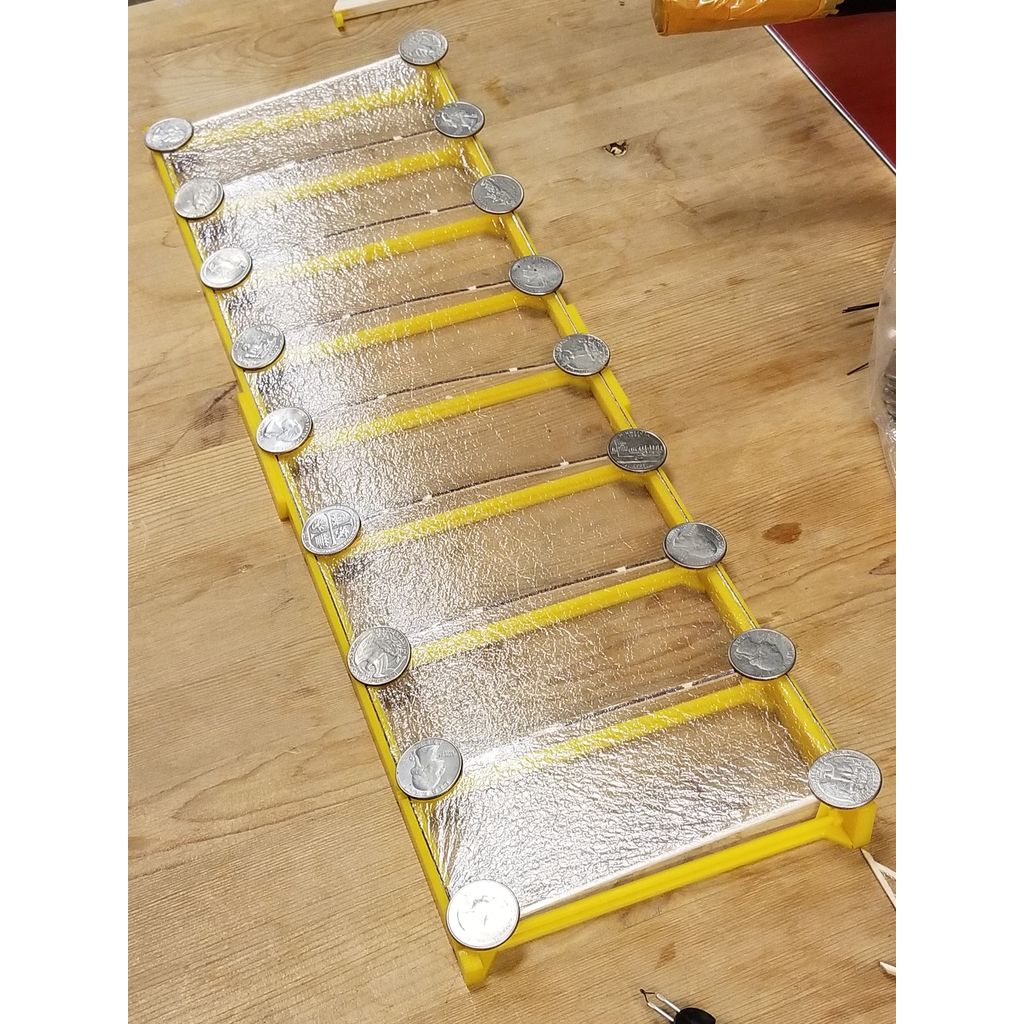
Have you ever spent hours building a Science Olympiad Wright Stuff wing flat on your table, only to watch it warp or lose its precise washin or washout angle the moment you lift it up?
If you have struggled with this, you are definitely not alone. Most carbon fiber rods come off the shelf slightly crooked, making it incredibly difficult to lock in the exact wing twists required for a perfect flight.
Why Wing Twist Matters
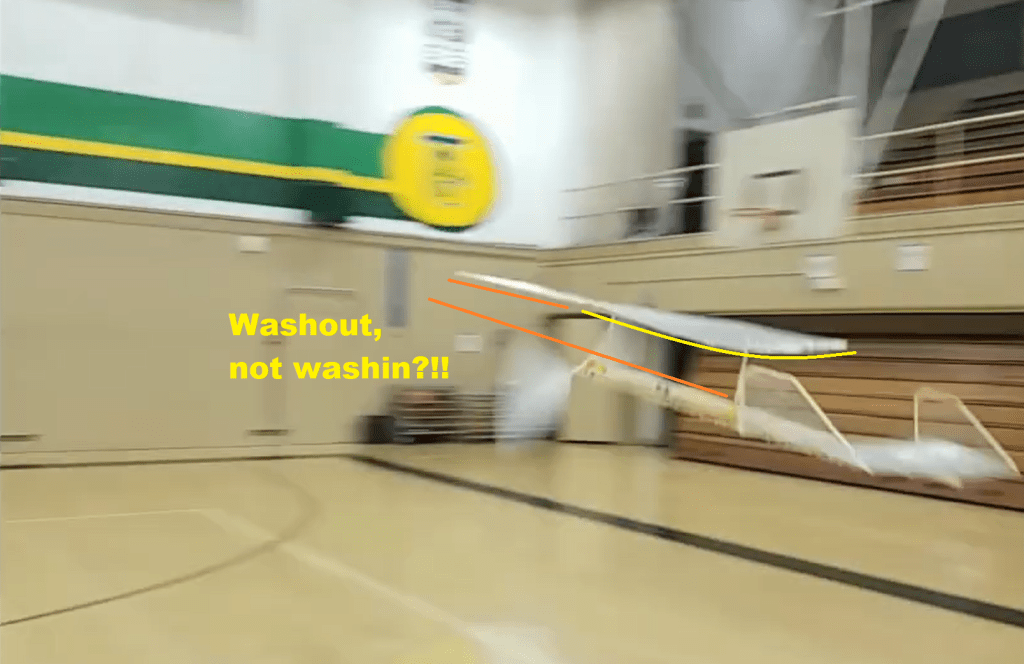
Achieving and maintaining the correct twist is the secret to a high-performing airplane. Builders often use two specific types of twist: washin, where the trailing edge twists down to increase lift, and washout, where the trailing edge twists up to decrease lift.
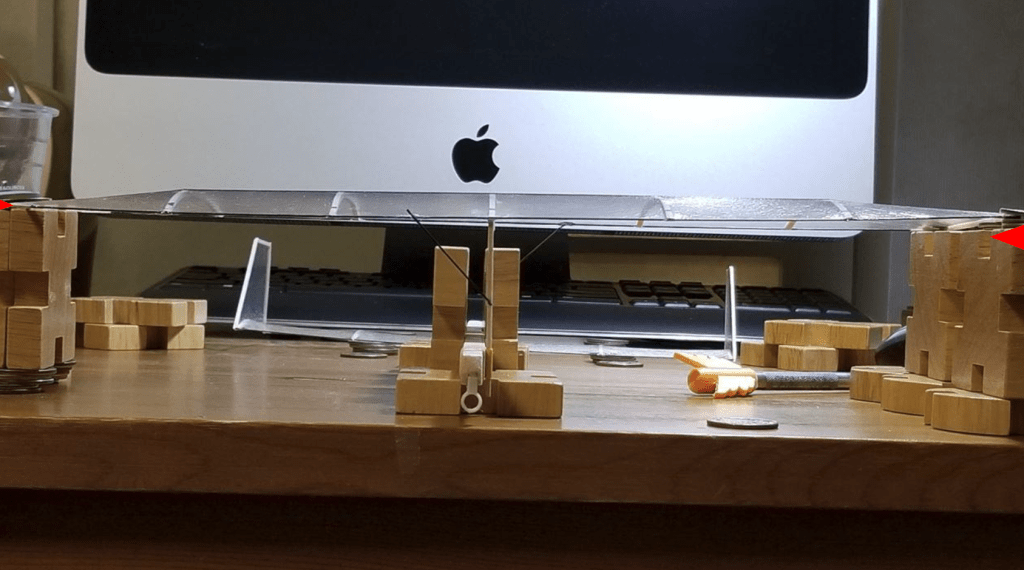
These adjustments are critical because they control how effective your wing handles the propeller torque and how efficiently it glides in circles. Without the exact amount of washin and washout, your plane might roll unexpectedly, or fail to maximize its flight time. Keeping the wing’s twist locked in is absolutely essential for ultimate performance.
The Science of the Warp
The short answer to why wings change shape is internal stress equilibrium. Once your wing is assembled and covered, the combined forces of all the pieces, especially the plastic covering film, pull against each other. This teamwork holds the carbon fiber rods in place and stops them from snapping back to their original, crooked shape.
Whether you are building a wing on a flat table using small shims to hold your angles, or using a specialized wing jig, getting those angles to stay put takes a bit of strategy. To get the best results and keep your angles exact, try these tricks on your next build.
- Pre-Match the Curve
Before gluing anything down, inspect your carbon fiber rods. Since they are rarely perfectly straight, pick a rod that already has a slight natural bend to match the curve you want. If you need a wing tip to twist up for washin, turn the rod so its natural curve already points in that direction. Let the natural bend of the carbon work with you instead of fighting against your design.
- Extend the Cure Time
When building on a table or in a jig, you are likely using tape, pins, shims, or small weights to hold your angles while the glue dries. After you take the wing assembly out of this nest, and covered it with film, put the whole thing back and rearrange the whole setup to hold those angles again. Here is another trick: gently and lightly tap along all edges to help relieve any internal tension. Let the entire wing assembly stays in this nest to cure for as long as possible. Leaving it with correct angles for at least one full night, or even a few days, helps the structure lock in its new shape.
- Watch the Weather
Wood, glue, and covering films change with the air. If your building space experiences big swings in temperature and humidity, definitely leave the wing assembly secured to the table or jig for a few extra nights. This gives the materials time to fully settle and balance out before flight forces challenge its precise shape.
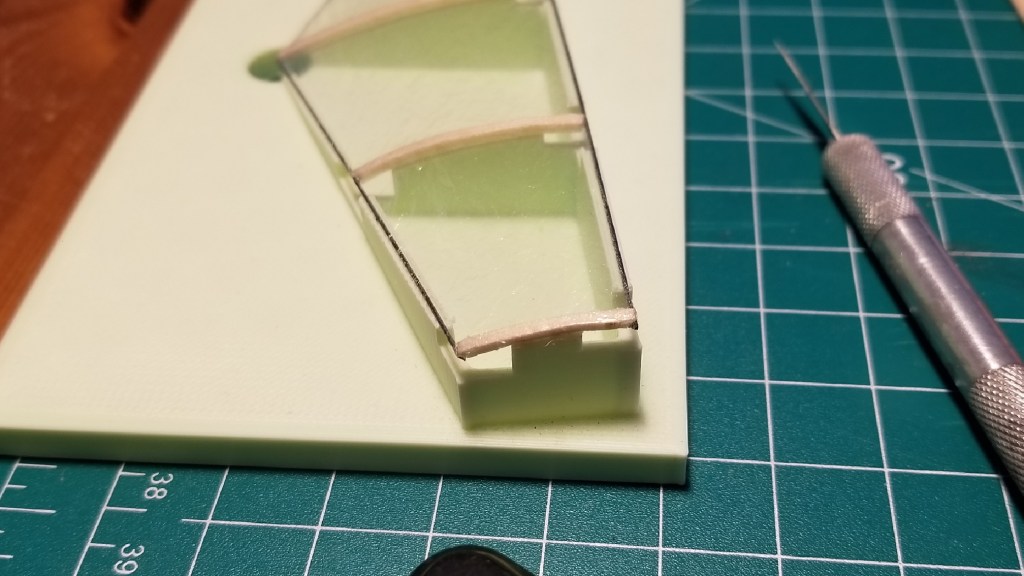
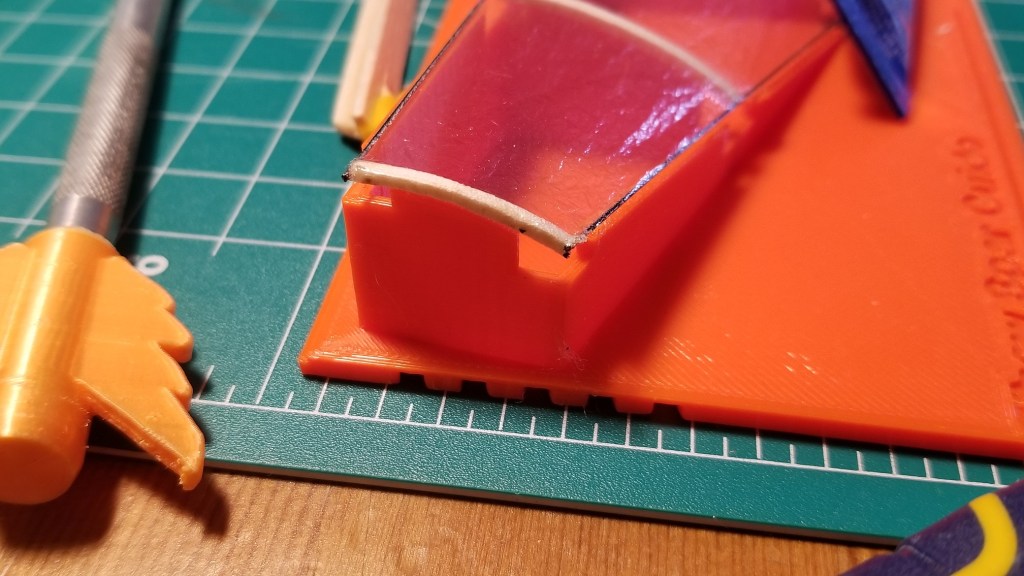
Next time you pull out a fresh set of carbon fiber rods, spend an extra minute sorting through their natural bends before you put them to use. A little extra planning during construction goes a long way in the air. Happy building!
-AeroMartin 6/17/2026
 StarImagineering
Leave a comment