
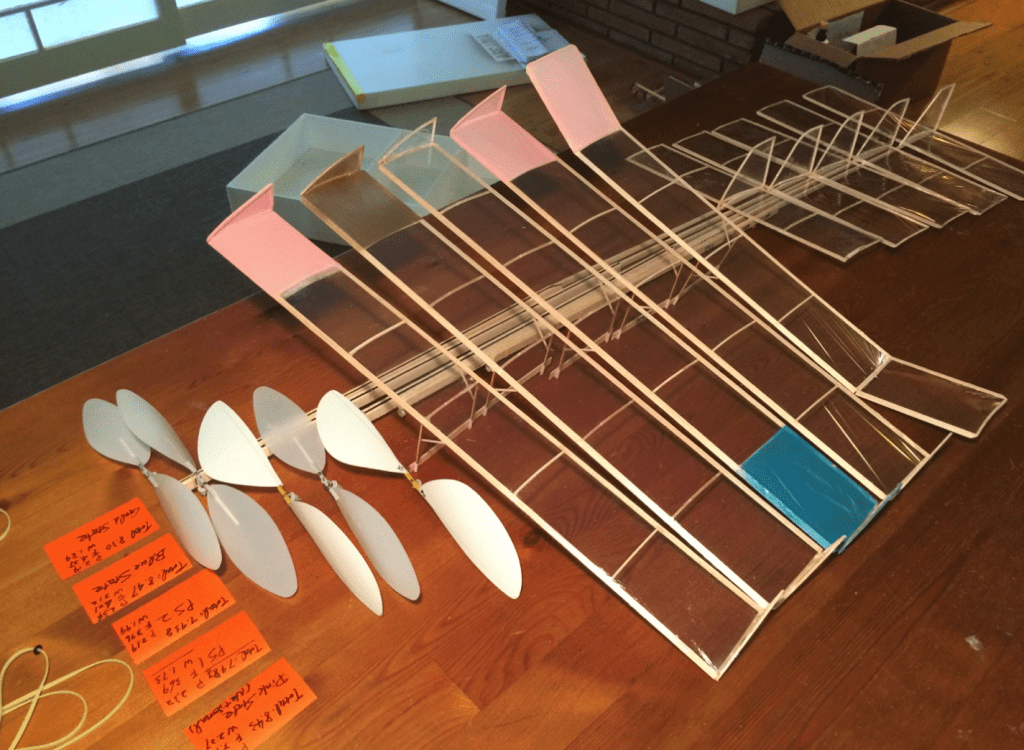
Building a competitive Science Olympiad airplane is about finding the perfect balance between strength, weight, and aerodynamics. Even small choices at the workbench can completely change how your plane behaves in the air. By understanding your materials and focusing on precision from the very start, you can construct a highly efficient aircraft that is built to win.
Materials
- Balsa Wood Selection: Balsa grain is categorized into A-grain, B-grain, and C-grain, each offering different stiffness and flexibility profiles. Most of the time, we use B-grain wood. C-grain is the strongest type, and we may use it for critical components like propeller blades later. Keep in mind that density varies wildly. You can even find different densities within the exact same sheet of wood, so always weigh your wood before and after cutting. Record the weight of each component while you construct your plane. What you write down now will help you immensely on your next project.
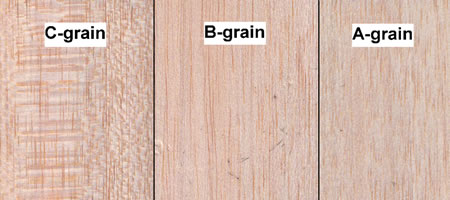
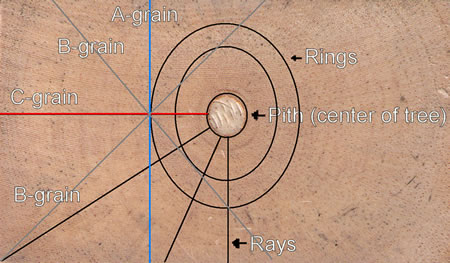
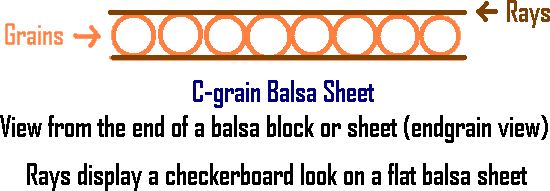
Reference: https://specializedbalsa.com/balsa_grain_classification.php
- Carbon Fiber vs. Balsa: Carbon fiber is strong but can be surprisingly flexible and heavy. Use a smaller diameter carbon fiber rod or tube if at all possible. Note that a 0.7mm diameter carbon fiber rod is actually twice the weight of a 0.5mm rod. Also note that most 0.5mm carbon fiber rods arrive crooked. Consequently, most serious modelers still use balsa wood for the best strength-to-weight ratio. For example, you may use a selected 1/16 x 1/16 mid-weight balsa stick as a straight, lightweight replacement for 0.5mm carbon fiber rods on a Wright Stuff airplane.
Weight and Structure
- The Weight Schedule: Many articles say to build as light as possible, but be sure to follow that up with “but strong enough!” It is important to emphasize the strength requirement because a weak and flexing airplane does not fly well, and it will not survive crashes well. This strength is absolutely critical for a Wright Stuff airplane; it is ‘super’ heavy compared to other competition planes, and it needs that extra strength to carry those heavy forces.
- Motor Sticks: Look for wood in the 4 to 7 pounds per cubic foot range. If your stick is too light, it will be too weak to handle high-torque rubber bands. You can fix this by using structural reinforcement tricks like adding truss wires or carbon fiber tows to stiffen a lighter stick.
- Glue Control: CA glue is quick and easy. Science Olympiad Wright Stuff rules have a high minimum weight requirement, so you can use CA glue exclusively for this aircraft. Remember that excess glue does not add strength, it only adds dead weight. Use it sparingly.
- Joint Reinforcement: T- and corner joints are inherently weak, but they are often inevitable on a wing structure. You can use a glue fillet, which is a small bead of glue smoothing out the corner, to increase T-joint strength. Use gussets, which are small triangular wood braces, to reinforce your corner joints.
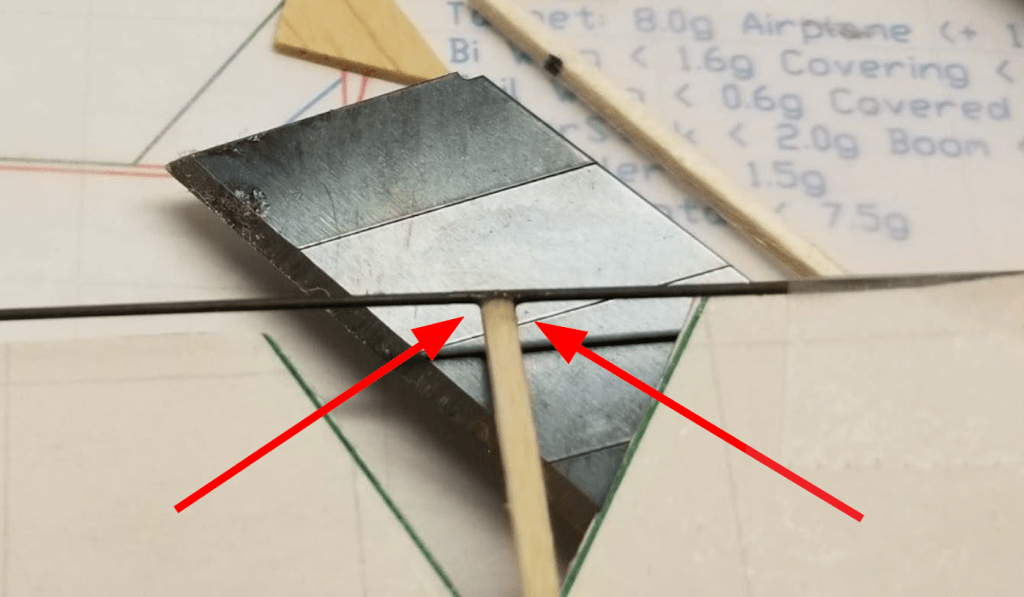
- I-Beam Efficiency: The I-beam structural shape is the single most efficient structure for maximizing bending resistance. Adding carbon fiber tows to the top and sometimes the bottom of the motor stick creates an I-beam. Many airplanes, both full-size and models, use this geometry at wing spars and other high-stress areas.
Covering
- Film Preparation: Gently crumple the film into a small ball, spread it out, and crumple it again. Do this three times or more before putting it on the covering frame to prevent the film from pulling and warping the delicate balsa structure. Make your covering film as taut as possible. Why is crumpling the film necessary instead of applying it completely smooth? While a perfectly smooth covering could theoretically take advantage of smooth airflow, our planes fly at too slow of a speed and too high of an angle of attack (AOA) to maintain that type of smooth airflow.
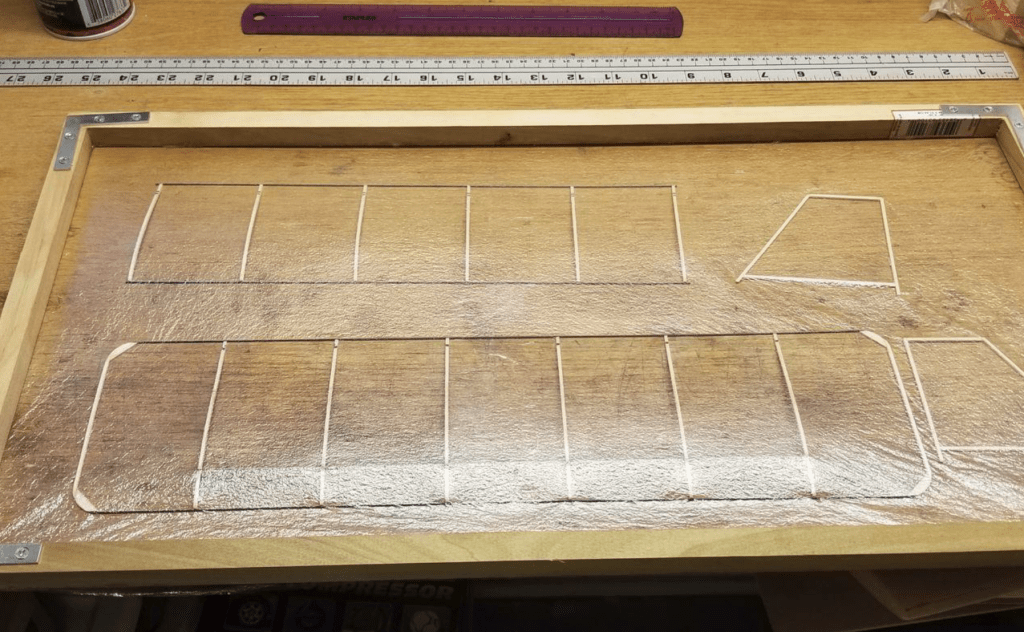
- Drag Reduction: Clean up your edges. Be sure to remove all lingering film around the wings because excess film creates unnecessary drag. You can use a purple glue stick to secure any loose edges against the carbon fiber rod or wood if necessary.
Angles and Precision
- Precision Alignment: Be as accurate and precise as humanly possible. A 1.0-degree angle is not the same as a 2.0-degree angle. In a Wright Stuff airplane, microscopic misalignment leads to mysterious behavior, if not failure, in the air.
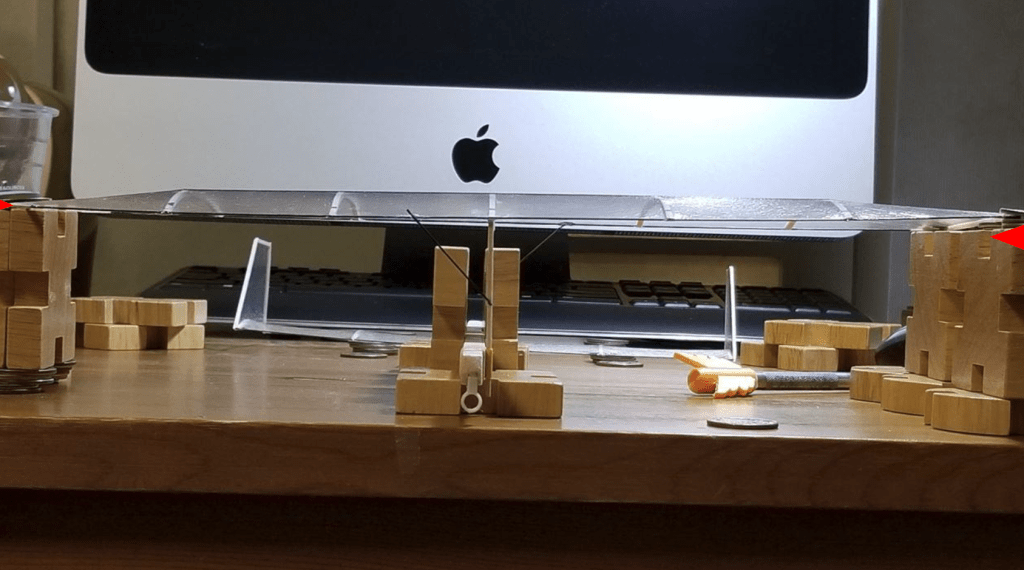
- Aerodynamic Variables: Every single angle matters. Pay close attention to left thrust angle, down thrust angle, decalage (the difference in angle between the main wing and tail wing), propeller pitch for dynamic balancing, and your washout (typically the right wing panel) and washin (typically the left wing panel) angles. They are all critical and they all affect each other. No two airplanes build exactly the same!
Looking Ahead
With your frames built, film prepped, and angles locked in, you are ready to transition from construction to calibration! Next time, we will dive into trimming and flying tricks to make your plane glide effortlessly.
Before leaving the workbench, there is one final step: finding your Center of Gravity (CG). Finding this balance point is the ultimate secret to a flight that wins. Always measure your balance point post-build and adjust your nose or tail weight to match your plan. Getting this right sets the stage for maximum flight time!
Bonus Question
Why is the Center of Gravity (CG) on a great Wright Stuff airplane almost always located past 50% of the wing width, while full-size aircraft balance way forward at ~25-30%?
We will reveal the aerodynamic secret behind this mind-bending riddle in our upcoming aerodynamics post!
-AeroMartin 6/17/2026
P.S. There are many more essential building areas to watch out for. Check out the Apache24s‘ pictorial building guide for more details. Feel free to send your questions. I am looking forward to seeing everyone’s successful 2027 WS airplanes soon!
 StarImagineering
Leave a comment